
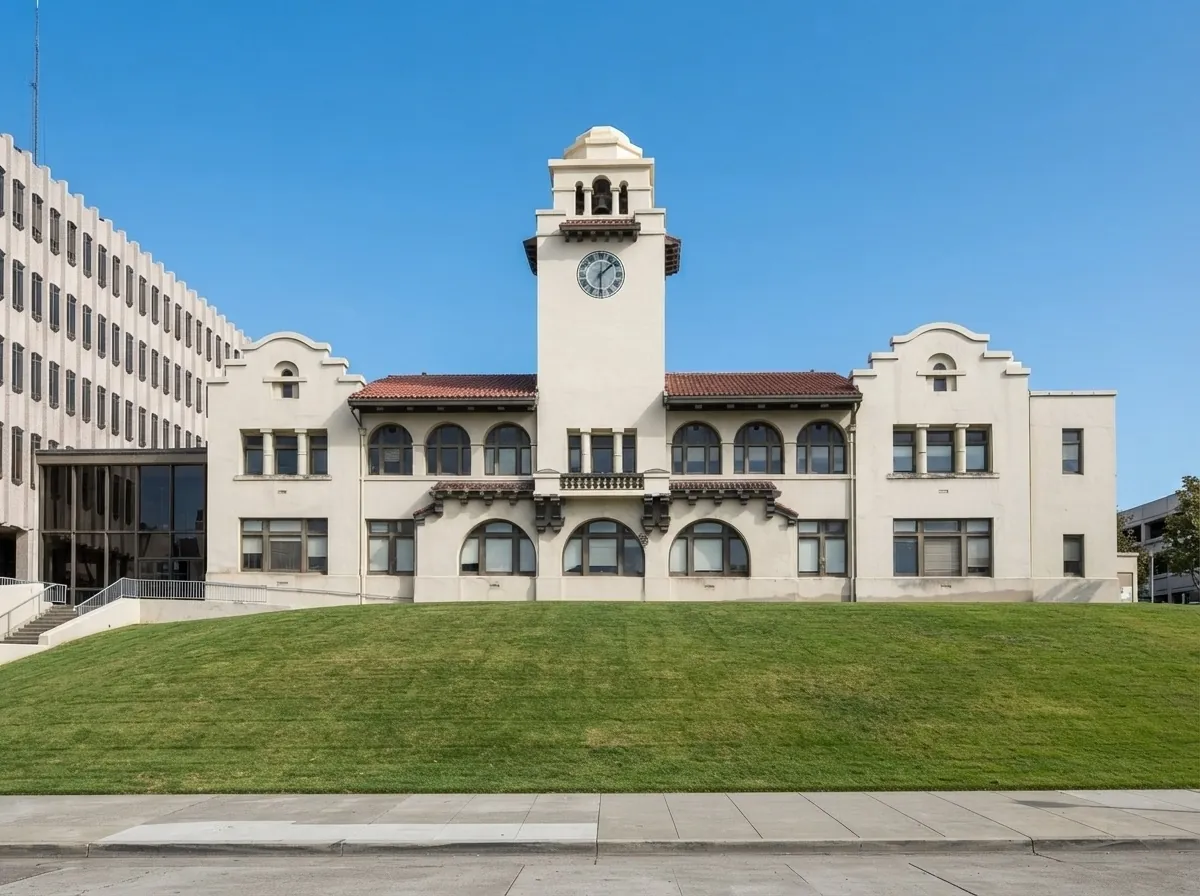
The court system of Snohomish County, Washington, includes the Superior Court and District Court, each maintaining its own case records. The website SnohomishCourt.us can help find public information about court records in this county. Additionally, records can be obtained through the official county court records portal, the Superior Court Clerk's Office, the District Court Clerk, and the statewide Washington State case search system. Access is available online, in person, or by mail.
Snohomish Court System Overview
Snohomish County is part of the Washington State judicial district and has a two-tier structure of general jurisdiction courts: Superior Court and District Court. The Superior Court is a court of general jurisdiction that handles serious criminal cases, civil suits without monetary limits, family law, probate cases, and appeals from the District Court. The District Court handles misdemeanors, minor civil suits, traffic violations, and preliminary hearings in felony cases.
Both courts are located in the Snohomish County Courthouse in Everett.
The county clerk serves the Superior Court, maintains the official record of judgments, and manages jury summons for both courts. The District Court has its own clerk responsible for the court's case records.
Courts Serving Snohomish
Residents of Snohomish County are served by several courts at the state and federal levels, as well as municipal courts in individual cities.
State Courts
Snohomish County Superior Court
Snohomish County District Court
Federal Courts
U.S. District Court for the Western District of Washington — Snohomish County is part of this federal judicial district. The nearest federal courthouse is located in Seattle.
U.S. Bankruptcy Court, Western District of Washington — bankruptcy cases for county residents are handled here.
Municipal Courts
- Everett Municipal Court — 3002 Wetmore Ave, Everett, WA 98201; Phone: 425-257-8835
- Lynnwood Municipal Court — 19321 44th Ave W, Lynnwood, WA 98036; Phone: 425-670-5100
- Marysville Municipal Court — 1049 State Ave, Suite B, Marysville, WA 98270; Phone: 360-363-8000
- Edmonds Municipal Court — 250 5th Ave N, Edmonds, WA 98020; Phone: 425-771-0210
What Types of Cases Snohomish Courts Hear
Snohomish County courts handle a wide range of cases. Here are the main categories:
- Serious criminal offenses (felonies)
- Misdemeanors and infractions
- Civil suits — from small to unlimited amounts
- Small claims cases
- Family law: divorce, custody, child support
- Probate cases, guardianship, conservatorship
- Juvenile and child protection cases
- Adoptions
- Traffic violations and DUI
The Superior Court handles more serious cases, while the District Court processes a significant volume of everyday matters — from speeding tickets to minor civil disputes.
District Court Cases in Snohomish
In the Washington State system, the term "District Court" refers to a court of limited jurisdiction — not to be confused with the federal district court. Snohomish County District Court handles:
- Misdemeanors and gross misdemeanors — punishable by up to 364 days in jail
- Civil suits up to $100,000
- Small claims cases up to $10,000
- Traffic violations, including DUI
- Preliminary hearings in felony cases before transfer to Superior Court
- Protection orders of certain types
Cases reach the District Court through the filing of a criminal charge by the prosecutor or a civil suit by the plaintiff. A judge is assigned according to internal distribution. Requests for District Court case records are processed according to General Rule 31.
Magistrate Court Cases in Snohomish
The state of Washington does not have a separate magistrate court system like some other states. Functions performed by a magistrate in other jurisdictions are divided between the District Court and court commissioners in the Superior Court in Snohomish County.
Court commissioners in the Superior Court conduct:
- Initial hearings and bail determinations
- Temporary orders in family law cases
- Hearings on protection orders
- Certain procedures in probate cases
The District Court fully handles misdemeanors, traffic violations, and small claims. The limit for small claims in Washington State is $10,000, and the overall civil jurisdiction of the District Court is up to $100,000. If the claim amount exceeds this threshold, the case should be filed in the Superior Court.
Family Law, Probate, and Juvenile Matters in Snohomish
Family Law
Divorce, custody determinations, child support, paternity establishment, and termination of parental rights fall under the jurisdiction of the Superior Court. The Superior Court Clerk accepts filings, including divorce petitions and parenting plan modifications. Protection orders against domestic violence are also filed through the Superior Court, although some types of protection orders are available through the District Court as well.
Probate Cases
Probate cases, guardianship, and conservatorship are handled by the Superior Court. This includes cases involving the distribution of deceased persons' estates, trust management, and the appointment of guardians for incapacitated individuals. Documents are filed with the Superior Court Clerk.
Juvenile Matters
Juvenile cases — both criminal and child protection — are handled by a separate division of the Superior Court. Juvenile case records are confidential under Washington State law. For information, contact the Superior Court Clerk at 425-388-3466.
How Cases Move Through the Snohomish Court System
- Case Initiation. A criminal case begins with the filing of a charge by the prosecutor. A civil case starts with the filing of a complaint or petition by the plaintiff with the clerk of the appropriate court.
- Judge Assignment. After registration, the case is assigned a number and a judge is appointed according to the court's internal distribution.
- Initial Hearings. In criminal cases — arraignment, where the defendant is read the charges and enters a plea. In civil cases — scheduling conference to set the case timeline.
- Pretrial Phase. Motions, evidence exchange (discovery), plea negotiations in criminal cases, or settlement negotiations in civil cases.
- Case Resolution or Trial. Jury or bench trial, plea agreement, settlement, or default judgment.
- Post-Decision. Sentencing in criminal cases, enforcement of judgment in civil cases, filing an appeal. Appeals from District Court are filed with the Superior Court, and from the Superior Court to the Court of Appeals.
Court Administration, Local Rules, and Public Access in Snohomish
Court administration in the county is managed by the Trial Court Administrator under the direction of the Presiding Judge of the Superior Court. The District Court has its own administrator.
Local Court Rules for Snohomish County Superior Court and District Court are published on the Washington State Courts website. These rules govern document filing, hearing schedules, and procedural requirements.
Public Access to Records
Court records in Washington State are governed by General Rule 31 (GR 31), not the Public Records Act (RCW 42.56). Most court records are publicly accessible, except for sealed cases, juvenile cases, and records protected by court order. Access to court records is available online, in person at the clerk's office, or by mail.
County administrative records (non-court) are subject to the Public Records Act. Requests for such records can be submitted through the county public records portal or by reviewing the instructions for submitting requests.
Attending Hearings
Most court hearings are open to the public. Some hearings may be held remotely — check the court's website or call the clerk's office to confirm the format of a specific hearing. You can check your hearing date using the Find My Court Date tool.
Court Records and Related Court Resources in Snohomish
- Search for Court Cases by Name or Number. The Washington State Courts Name and Case Search allows searching for cases across all state courts. This is a reference tool — official copies of documents must be ordered from the respective court.
- Superior Court Records. The Superior Court Clerk's Office provides access to case records online, in person, and by mail.
- District Court Records. District Court record requests are submitted according to GR 31 and GR 31.1.
- Criminal History Checks. The Washington State Patrol conducts criminal history checks based on fingerprints and information from state law enforcement and courts.
- County Jail Register. The Jail Register contains information about individuals in Snohomish County Jail and municipal jails in Lynnwood and Marysville. Inmate searches are also available on the Corrections Bureau page.
- State Inmate Search. The Department of Corrections Incarcerated Search provides information about individuals in state correctional facilities.
- Arrest Warrants. Information on outstanding warrants can be checked on the county's website. For detailed information on felony warrants, contact the clerk at 425-388-3466. The Department of Corrections Warrant Search pertains to individuals with DOC secretary warrants.
- Sheriff's Records. The Sheriff's Public Records Division processes requests for police reports and other law enforcement records. Requests can be submitted by email, fax, or in person.
- Recorded Property Documents. The Recorded Documents Search through the Recording Division allows finding deeds, mortgages, liens, and other property documents dating back to the 1860s.
- Marriage and Divorce Certificates. The Washington State Department of Health issues certified copies of marriage and divorce certificates. Marriage records are also maintained by the county's Recording Division.
- State Digital Archives. The Washington State Digital Archives preserves electronic records from state and local agencies, including historical court and vital records.